
Residential Spray Foam Insulation in Marana
For a home being built, renovated, or upgraded, an insulation plan depends on the existing building, access, moisture conditions, ventilation, material selection, and the scope you have in mind. Share your property details to talk through what fits your home.
Insulation that fits the home you have
A recommendation for a home starts with the building, not a universal answer. The assembly, access, and the scope you want all shape what makes sense.
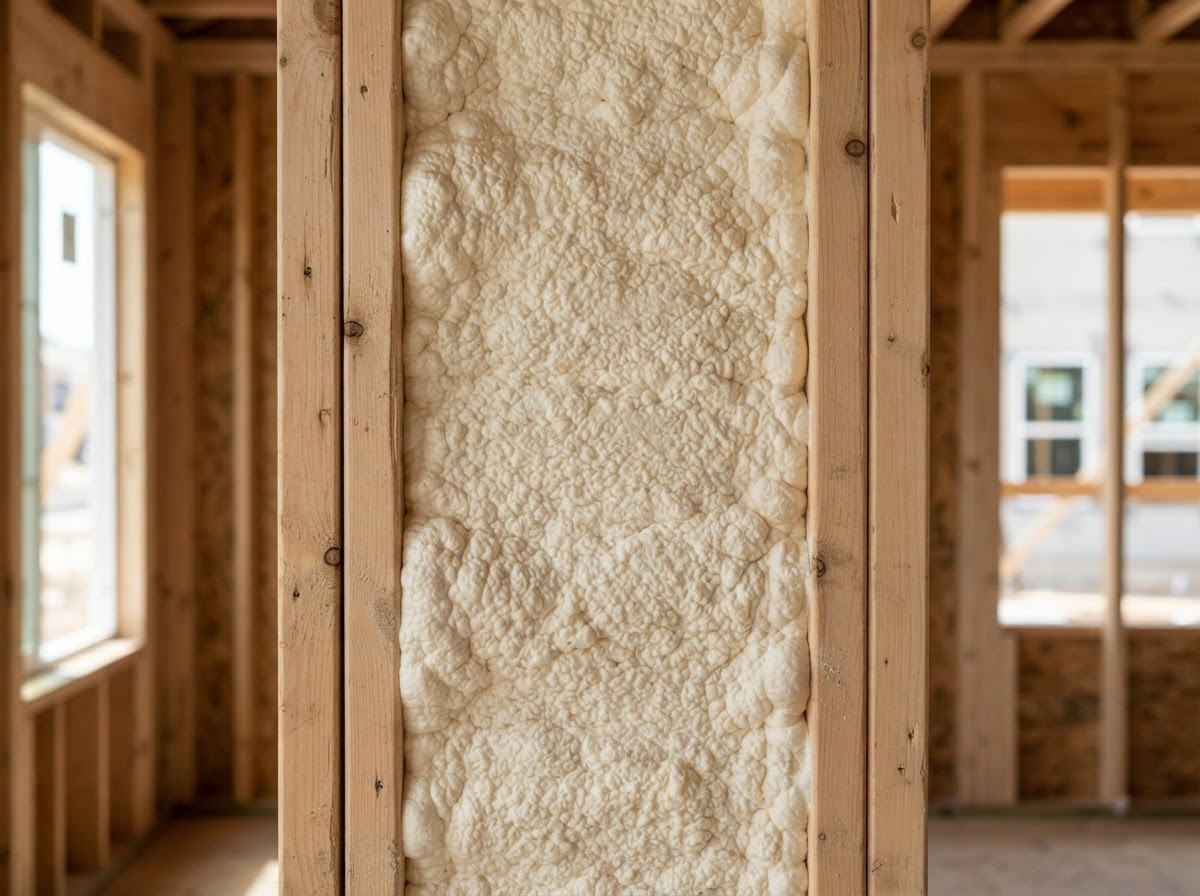
Suitable applications
Residential spray foam can be considered for renovations, additions, and new construction where the assembly and access support it. The right approach depends on what the building actually presents.
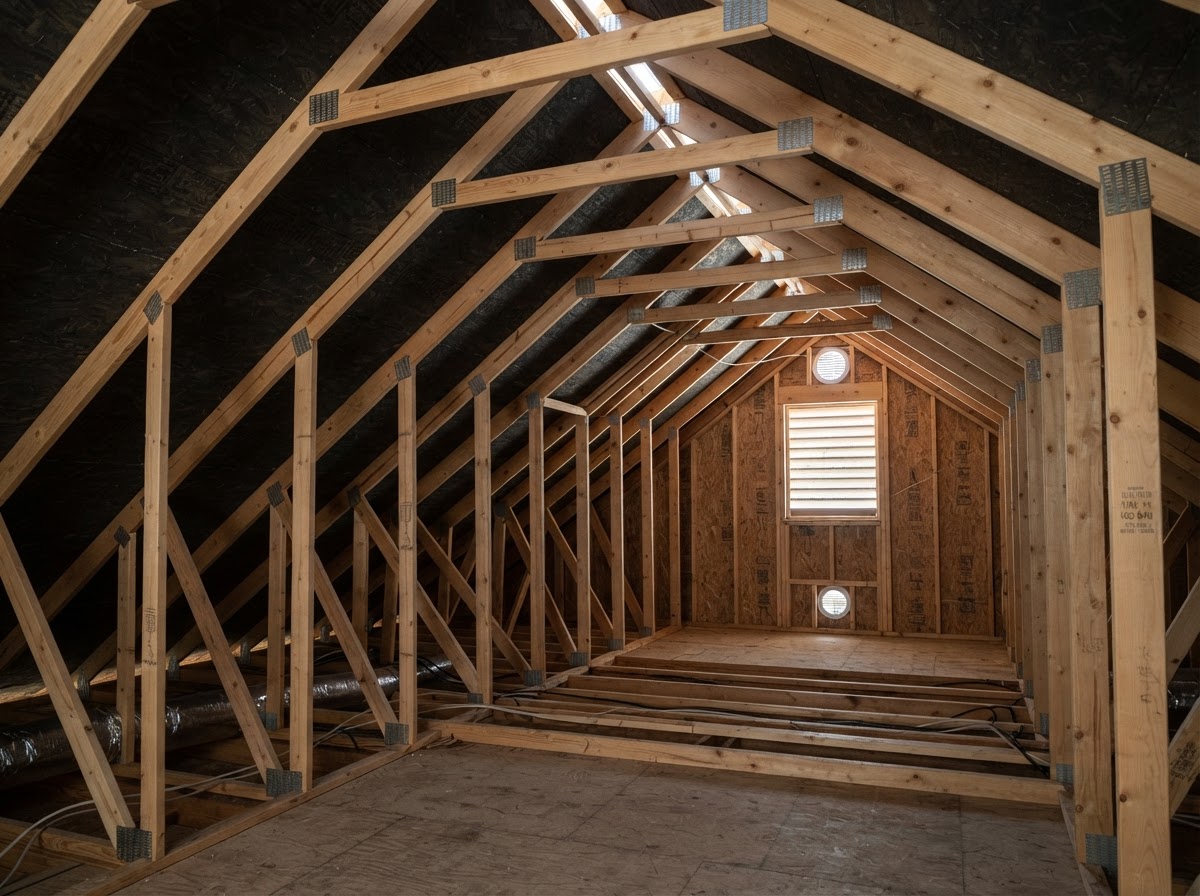
What affects the recommendation
- The existing building assembly and how it is built
- Access to the areas that would be treated
- Moisture conditions and ventilation in those areas
- Material selection tied to the assembly and use
- The proposed scope and your goals for the space
Insulation is one part of how a home performs
Insulation affects how heat moves through the building, but it is one piece of a larger picture. Comfort depends on the whole assembly working together.
Spray foam can help limit heat flow through the areas where it is installed. How much that matters for your comfort depends on the building, the climate, and the other parts of the assembly. We do not promise a fixed reduction in utility bills, and there is no single foam type that is right for every home.
If a concern like moisture, ventilation, or another building issue comes up, that is a separate problem best directed to an appropriately qualified professional. Insulation alone does not resolve every issue a home can have.
How a residential project moves forward
A reviewable outline of how a residential insulation project is approached, subject to the specifics of your home and the agreed scope.
- 1
Review the property
We look at the building, the areas in scope, and the access and conditions that affect the approach.
- 2
Agree on treatment areas and preparation
The areas to treat and the preparation required are agreed before any work is scheduled.
- 3
Explain the selected system
The chosen insulation system is explained along with what to expect, so the plan is clear.
- 4
Confirm completion checks
Once the agreed work is complete, the completion checks discussed in advance are reviewed.
- 5
Site access and occupancy
Access, occupancy precautions, and ventilation are confirmed with the qualified installer.
- 6
Reentry details
Any reentry instructions follow current product documentation and qualified installer guidance.
No universal safe reentry time is provided here. Ventilation and occupancy precautions should follow current product documentation and qualified installer guidance for your specific project.
Residential insulation questions
General guidance on scoping a residential insulation project. For specifics about your home, share your details in the estimate form.
- What information should I provide for an estimate?
- The building type, the areas you want to address, access to those areas, and the scope you have in mind. Photos and a short description help shape a useful conversation.
- Can an existing home be assessed?
- Yes. An existing home can be reviewed to see whether insulation makes sense, what the access allows, and which areas are in scope. The recommendation depends on what the building presents.
- How is the appropriate foam system chosen?
- The system depends on the assembly, access, moisture conditions, and the proposed scope. We do not assume one foam type is right for every home without reviewing the building.
- Does old insulation always need removal?
- Not always. Whether removal is needed depends on the material present, its condition, and the agreed scope. A targeted approach can sometimes focus on selected areas.
- What preparation and occupancy planning may be required?
- Preparation depends on the areas treated and access. Occupancy precautions, ventilation, and reentry should be confirmed with the qualified installer and current product documentation.
Discuss insulation for your home
Share your property details in the estimate form, or reach out by phone to talk through the scope for your home.